
Massive Magma Surge Shakes Portuguese Island, Narrowly Avoids Eruption
2 min read
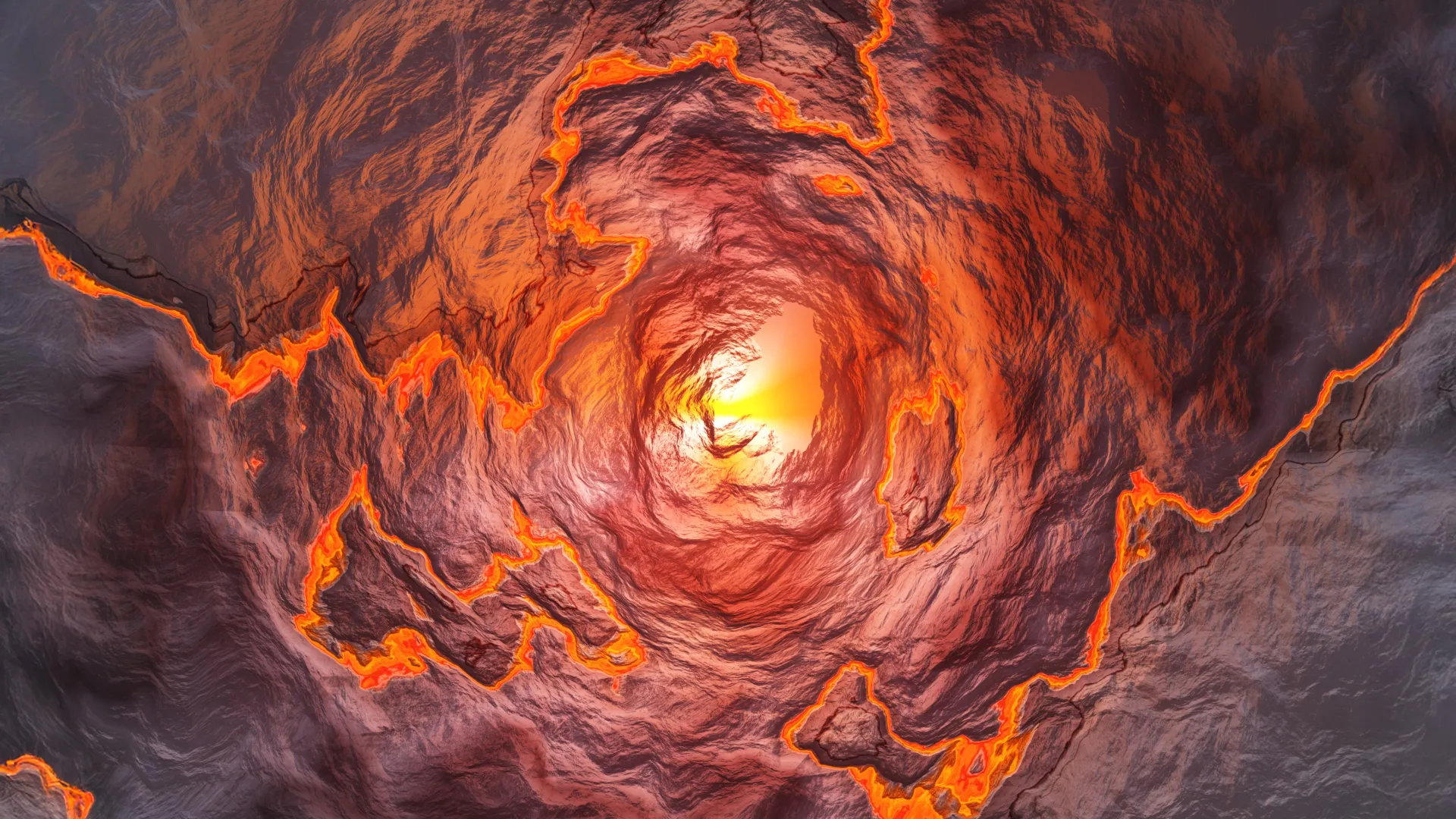
Deep beneath Portugal's São Jorge Island, a colossal surge of magma silently pushed upward from more than 20 kilometers underground in 2022, triggering thousands of earthquakes and briefly raising fears of a volcanic eruption. Scientists have now discovered that the molten rock climbed astonishingly fast - enough to fill 32,000 Olympic swimming pools - before stalling just 1.6 kilometers below the surface in what researchers call a "failed eruption."
The magma surge was a stealthy event, detected only by the thousands of small earthquakes it caused on the island. Researchers say the magma moved upward at a rate of 0.5 meters per second, an exceptionally rapid pace for such a large volume of molten rock. Despite the dramatic subterranean activity, the surface of São Jorge Island remained largely undisturbed, with no visible signs of the impending crisis unfolding deep below.
While the magma surge ultimately did not lead to a volcanic eruption, the event highlights the potential for sudden, large-scale movements of magma beneath the Earth's surface that can go undetected. Geologists are now studying the São Jorge incident to better understand the complex processes that can trigger seismic activity and influence volcanic hazards, information that could prove crucial for future risk assessment and emergency planning on the island and in other volcanic regions.
Tags
Quick Updates
World
Ukraine Turns to Solar Power Amid War and Nuclear Risks
World
Tiger Escapes Enclosure, Injures Man Near Leipzig
World
Sweden Bolsters Naval Power with $3.5B Frigate Deal
World
Prenatal Pesticide Exposure Linked to Brain Damage, Study Finds
World
Australia's Top Decorated Soldier Charged with Afghan War Crimes, Granted Bail
World